Get to know the regions of Montenegro – the northern region
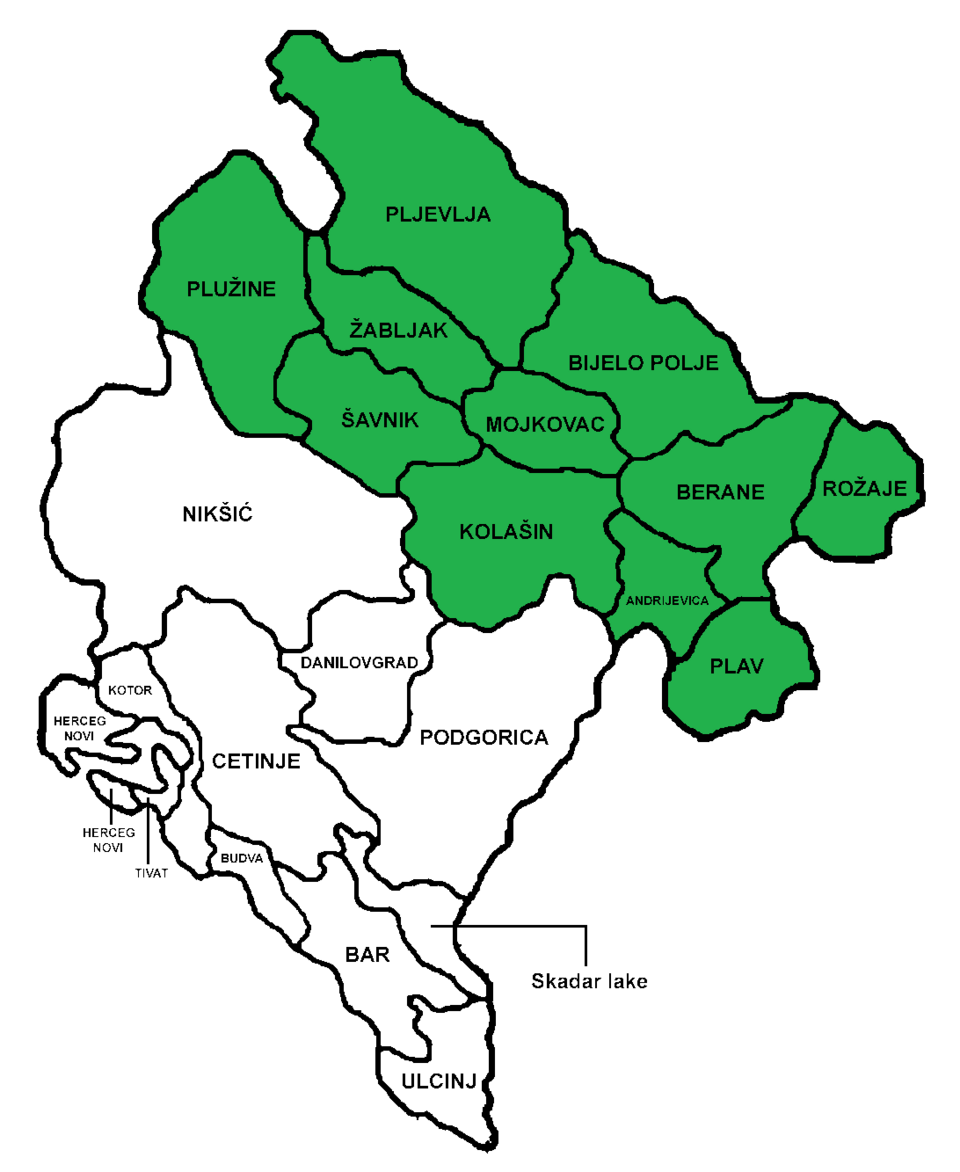
Northern Region of Montenegro
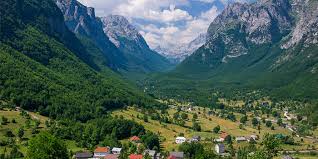
The northern region of Montenegro is the most widespread and diverse part of the country. It is known for beautiful landscapes, mountain ranges, canyons, and an authentic culture preserved for generations.
Main cities of the northern region
This region is characterized by a cooler climate, rich forest resources, traditional villages, as well as one of the most impressive national parks in Europe — Durmitor. The region is also known for UNESCO-protected sites and exceptional opportunities for hiking, skiing, rafting, and rural tourism. That is why the northern region of Montenegro is best explored with a rent a car service . The north is a combination of wild nature and deeply rooted traditions, making it a destination for true lovers of adventure and authentic experiences.
CITIES OF THE NORTHERN REGION
Bijelo Polje
One of the largest cities in the northern part of the country, located on the banks of the Lim River. Known for tradition, literature, and festivals. Bijelo Polje is both the administrative and economic center of this part of the region.
Berane
A city with a long history, located in the spacious valley of the Lim River. Berane is developing as a sports-recreational and cultural center of the north, with numerous mountain villages and the famous Đurđevi Stupovi monastery complex.
Pljevlja
The northernmost urban area in Montenegro, known for rich mineral resources and numerous historical monuments. Pljevlja is home to one of the most valuable sacred sites in the country — the Husein Pasha Mosque — as well as the Holy Trinity Monastery. The city also features the Vodice Park, covering 12 hectares and considered one of the most beautiful spots in the town.
Žabljak
The highest town in the Balkans and the center of Durmitor National Park. An ideal destination for hikers, nature lovers, and winter sports enthusiasts. Lakes such as the Black Lake and the Durmitor trails make Žabljak one of the most attractive places in the country.
Plav
Located at the foot of the Prokletije mountains, Plav is home to the famous Plav Lake. The area is known for crystal-clear water, untouched nature, and old stone towers — symbols of regional tradition.
Gusinje
A municipality known for the stunning landscapes of Prokletije, natural springs, and villages that look like scenes from a fairy tale. Gusinje is ideal for lovers of hiking, mountaineering, and natural tranquility.
Rožaje
A town surrounded by the dense forests of Hajla, Rogozna and other mountains. Rožaje has a strong cultural tradition and is developing as a winter tourism center, especially for skiing and mountaineering.
Andrijevica
A small and peaceful municipality situated between Komovi and Bjelasica. Andrijevica is the unofficial gateway to rural tourism, rivers, hiking trails, and untouched nature.
Kolašin
One of the most famous Montenegrin winter centers, especially thanks to the modern ski resort Kolašin 1600. The town is surrounded by dense Bjelasica forests and is ideal in both summer and winter thanks to numerous lakes, cycling routes, and mountain villages. The highway from Podgorica to Kolašin makes the trip very fast, as the section is 41 km long with a speed limit of 100 km/h. This section significantly shortens travel time and avoids the dangerous Morača Canyon road.
Mojkovac
Located in the Tara valley, Mojkovac is known for its proximity to Biogradska Gora National Park, one of the last rainforests in Europe. The town is an excellent starting point for rafting and hiking tours.
Plužine
A peaceful municipality situated by the Piva Lake, one of the most impressive artificial lakes in the region. Plužine are known for canyons, viewpoints, and the pristine nature of Piva National Park.
Šavnik
One of the smallest municipalities in Montenegro, rich in mountain landscapes and villages that preserve the traditional way of life. Šavnik is an entrance to the plateaus of Durmitor and Sinjajevina.
The northern region of Montenegro preserves the most authentic values of Montenegrin nature and tradition. From high mountains and untouched lakes to cultural monuments and hospitable local communities — the north offers experiences that cannot be found in urban centers. It is an ideal destination for lovers of adventure, ecotourism, tradition, and a completely different pace of life. The north remains a region of extraordinary beauty with great potential for tourism and sustainable development.
If you are planning to visit the north and want complete freedom of movement, check out the offer for rent a car in Montenegro and explore all regions at your own pace.